What a Beauty Queen's Charity Event Taught Us About Building Resilience
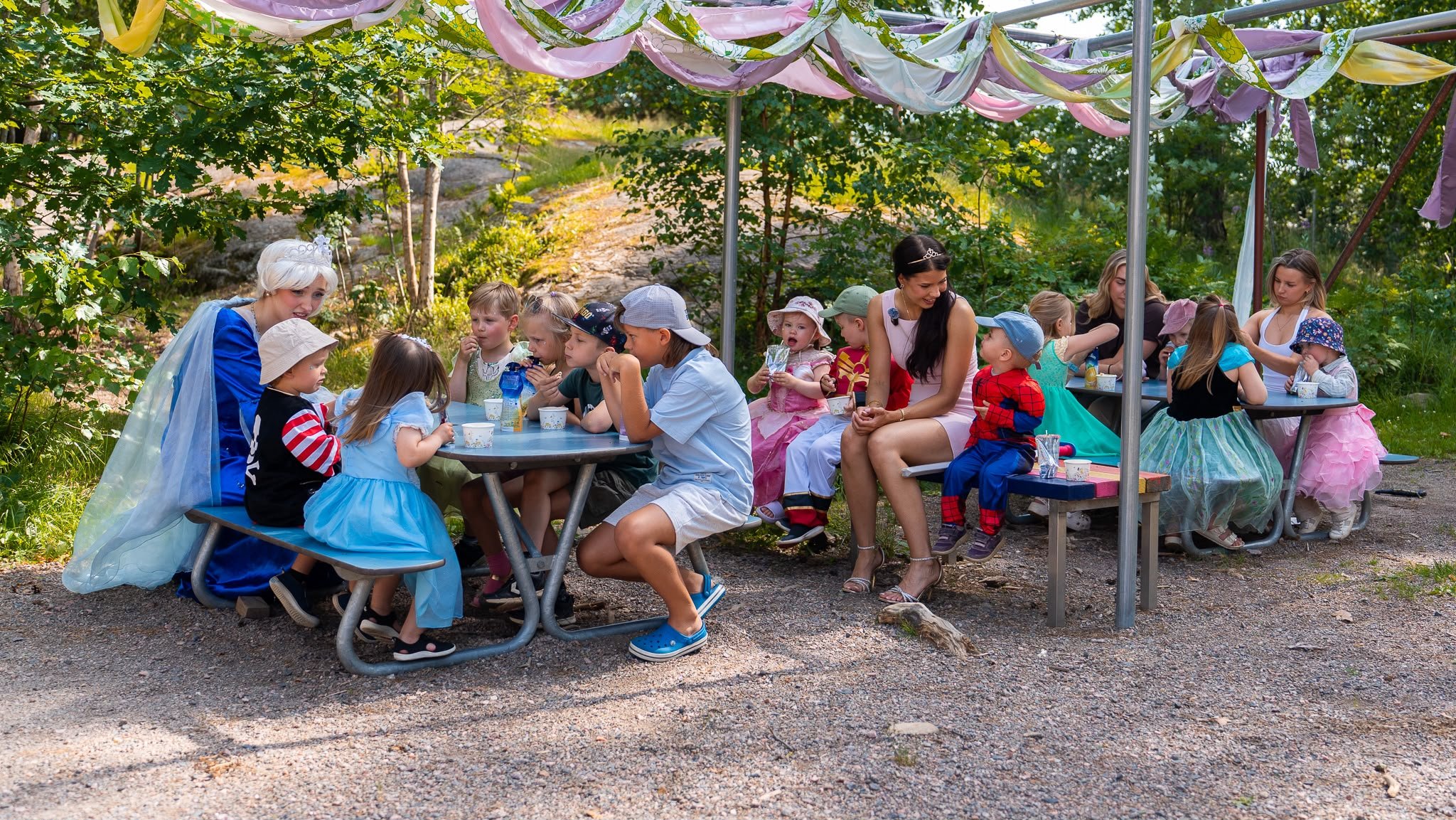
Photo: Elias Mäkinen
Every so often, someone takes the science we work with every day and turns it into something a child can feel with their whole body. This summer, that someone was Sani.
Sani first came to The Campus Company as a nursing student on advanced practicum, digging into the research on what actually strengthens resilience in children and youth. A couple of months later, she's competing in the Miss Finland pageant — and she's used that platform to bring her practicum findings to life, off the page and onto the playground of two-to-eight-year-olds.
The result: Heart Heroes, a two-hour charity event she designed and ran herself, without parents in the room, so that families of young children could also get a rare afternoon to themselves.
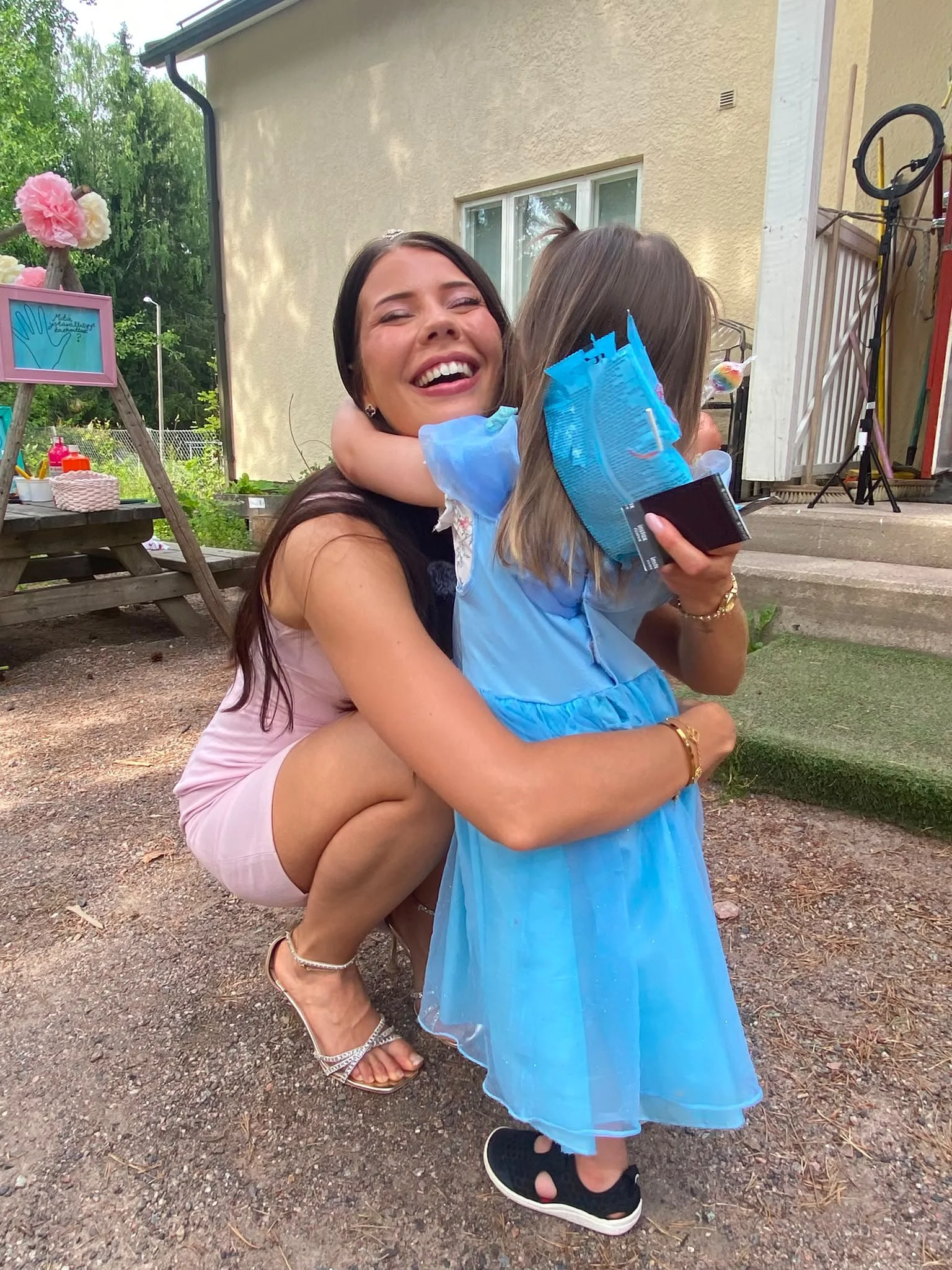
Photo: Elias Mäkinen
Hope isn't a feeling. It's something you build.
Sani's starting point was simple but easy to forget: hope isn't a mood that arrives on its own. It's something children construct, moment by moment, through positive experiences they actually get to live through. Give a child enough of those moments, and something durable starts to form.
So instead of a program built around rules or performances, she built one around a handful of concrete, research-backed moves — the same kind of everyday "ordinary magic" that shows up again and again in the resilience literature we draw on in our own work:
Predictability: knowing what comes next, so a child's nervous system can relax into the moment
A stronger sense of self: chances to be seen as capable, not just supervised
Trying again: normalizing the second (or third) attempt
Genuine praise and encouragement: specific, not generic
Doing things together: shared activity over solo performance
Helping each other: small acts of care between the children themselves
Real attention: through words, eye contact, gesture, and touch, not just supervision from a distance
There were planned activities, sure. But the real design principle was to follow the children's lead and stay in the moment with them — to be together and actually meet the other person in front of you, rather than manage a schedule.
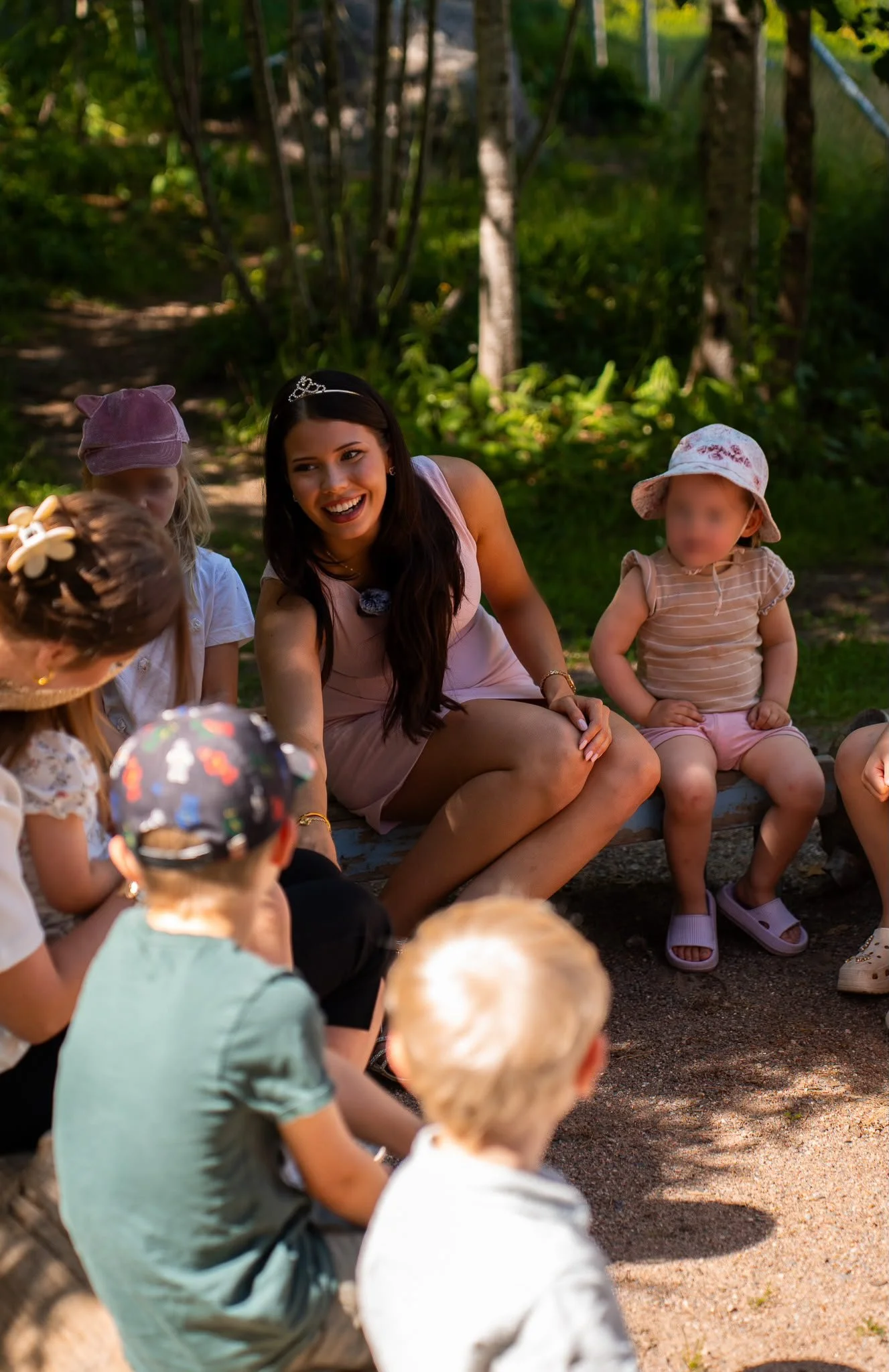
Photo: Elias Mäkinen
Why this matters beyond one Sunday afternoon
It's easy to treat resilience as something abstract, maybe a concept for a thesis, or a slide in a training deck. Sani's event is a reminder of what it looks like translated into two hours with real children: nobody needed a crisis to practice it. Predictability, praise, togetherness, and being truly listened to are resilience-building whether a child's week has been ordinary or genuinely hard — which is exactly what the research we work with (including recent work on children's resilience in conflict settings) keeps pointing to: resilience isn't a trait some children have and others don't. It's a process, built in small, repeatable moments, that any caring adult can offer.
That's the whole idea behind kiva olla kiva — it's nice to be nice — which Sani built the event around from the start. It's also, not coincidentally, the idea behind everything we do at The Campus Company.
Sani's Heart Heroes event might have been one afternoon. But it's a pretty vivid demonstration of what happens when someone takes evidence-based thinking about childhood resilience and simply... shows up for kids with it.
The resilience-building factors referenced here — predictability, social support, a sense of agency, and individual coping resources — are drawn from Marianna Juntunen's 2026 master's thesis, Experiences of Factors Supporting Children's Resilience in Conflict Areas (Metropolia University of Applied Sciences), an integrative review of research on children's resilience commissioned by The Campus Company.