Building Partnership Ecosystems That Put Children First
Fun Learning Campus and the Global Challenge of Delivering SDG 4
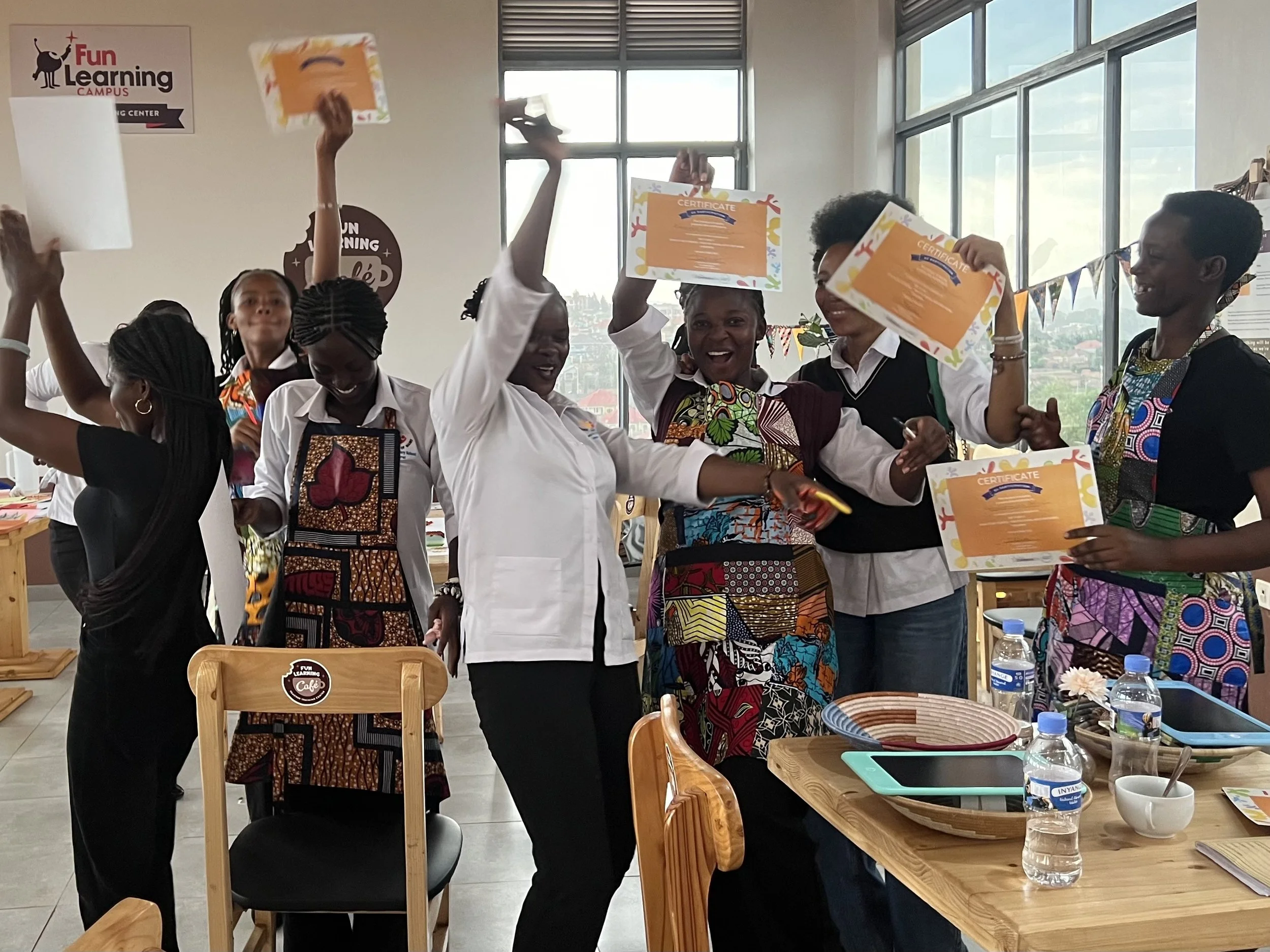
Fun Learning Campus Course Graduates, Kigali 2025
How Rwanda’s experience demonstrates the role of partnerships, capacity building, and international cooperation in advancing quality early childhood education
The global challenge facing early childhood education is not a lack of knowledge. Decades of research have demonstrated the importance of quality early childhood care and education, skilled educators, family engagement, supportive learning environments, and play-based learning in supporting children’s development. The challenge increasingly lies in implementation: how do communities translate what is known to work into sustainable practice that reaches every child? This question sits at the intersection of Sustainable Development Goal 4 (Quality Education) and Sustainable Development Goal 17 (Partnerships for the Goals). While SDG Target 4.2 calls for all children to have access to quality early childhood development, care, and pre-primary education so they are ready for primary school, SDG Target 4.c recognizes that achieving this vision requires a sufficient supply of qualified teachers. Similarly, SDG Target 17.9 calls for strengthened international support for targeted capacity building in developing countries through North-South, South-South, and triangular cooperation. Together, these targets highlight a critical reality: educational quality depends not only on what happens in classrooms, but also on the systems, partnerships, and capacities that support educators, families, and communities.This belief is at the heart of the Fun Learning Campus (FLC) initiative in Rwanda.What began as an effort to strengthen early childhood education has evolved into a partnership ecosystem that brings together government agencies, universities, schools, international partners, and communities around a shared commitment to improving learning outcomes for young children. In doing so, it offers an example of how partnerships can help bridge the gap between educational knowledge and implementation.
From Global Commitments to Local Action
In 2021, UNESCO launched the Global Partnership Strategy for Early Childhood (GPS) to address persistent gaps in access to quality early childhood services worldwide. The strategy supports countries in advancing SDG Target 4.2 while recognizing that quality early childhood education depends upon strong institutions, well-prepared educators, and coordinated action across multiple sectors.The GPS reflects a growing international understanding that sustainable progress in education requires more than effective interventions. It requires implementation systems capable of mobilizing resources, building capacity, and supporting continuous improvement. In many respects, this aligns closely with the purpose of SDG 17, which emphasizes partnerships as a means of achieving broader sustainable development objectives.Although Fun Learning Campus was not initially designed as a model for implementing the GPS, the alignment is striking. The Kigali Campus demonstrates how global aspirations can be translated into locally owned action through purposeful collaboration among diverse stakeholders.
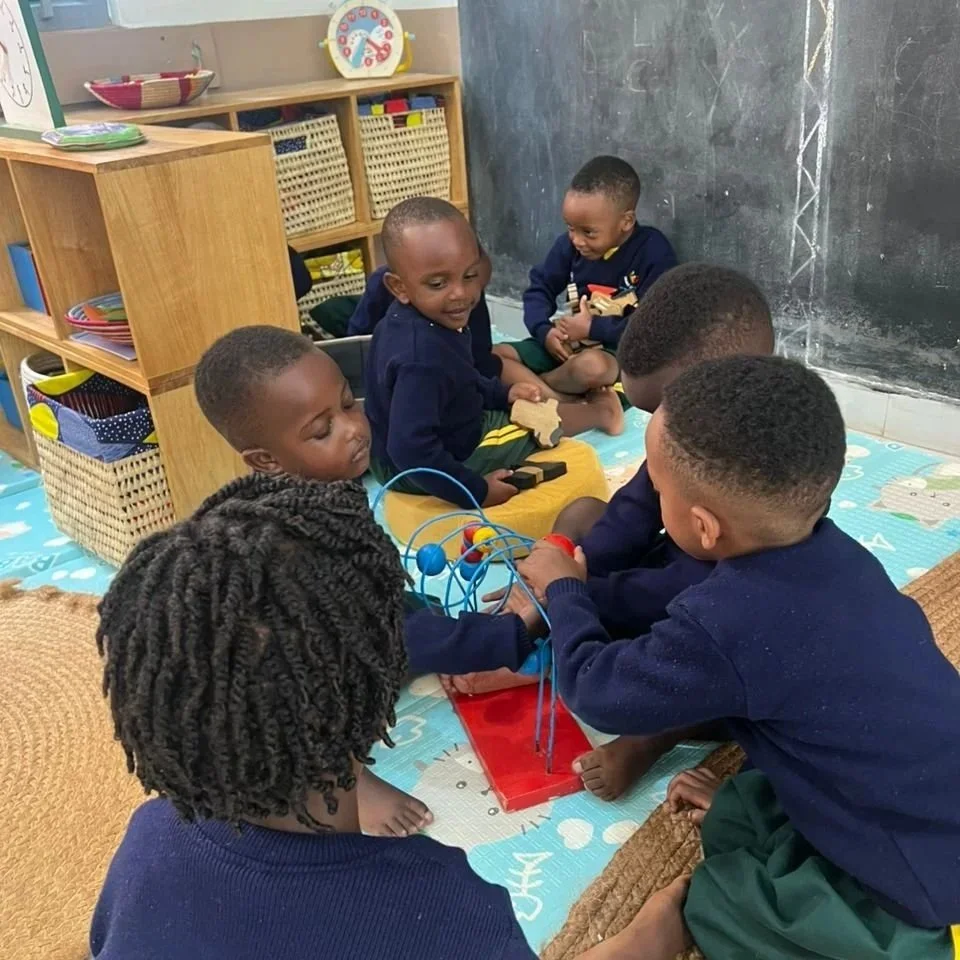
Kids enjoying small group work at the Fun Learning Class at the Kigali Campus.
Working Within National Systems
A core principle of the GPS is that educational improvement should strengthen national systems rather than operate outside them. From the outset, Fun Learning Campus has worked closely with Rwanda’s Ministry of Education (MINEDUC) and the National Child Development Agency (NCDA).The accreditation of the Campus teacher training program by NCDA ensures that professional learning is formally recognized within Rwanda’s national early childhood development framework. Rather than creating a parallel structure, the initiative contributes to strengthening existing institutions and supporting national priorities and strategies.This systems-based approach is significant because sustainable educational improvement depends on institutional capacity, local ownership, and policy alignment. By working within national frameworks, the Campus demonstrates how partnership ecosystems can support long-term educational development while remaining responsive to local needs.
Universities as Partners in Capacity Building
The Global Partnership Strategy for Early Childhood highlights the important role that universities can play in strengthening educational systems through research, professional development, and evidence-informed practice.Partnerships with the Catholic University of Rwanda and the University of Rwanda reflect this approach. These collaborations support educator mentoring, professional learning, applied research, and the dissemination of evidence-based practices. In doing so, they contribute directly to SDG Target 4.c by strengthening the preparation and ongoing development of early childhood educators. They also demonstrate the practical application of SDG Target 17.9. Through collaboration between educational institutions, practitioners, and international partners, the initiative supports locally led capacity building that can be sustained beyond the lifespan of any individual project.Universities therefore become more than providers of knowledge. They become partners in implementation, helping to build the human and institutional capacity required for quality education.
Schools as Living Models of Practice
The partnership with Imanzi School and Kindergarten illustrates another important feature of effective partnership ecosystems: creating opportunities for professional learning within authentic educational settings.By hosting the first local hub of the Fun Learning Campus, Imanzi serves as more than a venue. It acts as a co-creator of the learning ecosystem. Educators observe classroom practice, engage with experienced teachers, and apply new approaches within real learning environments. This approach supports a shift from one-time training events toward continuous professional learning. Teachers are not simply recipients of knowledge; they become active participants in a process of reflection, experimentation, and improvement. Such models increase the likelihood that professional development will influence classroom practice and ultimately benefit children’s learning experiences.
International Cooperation as Capacity Building
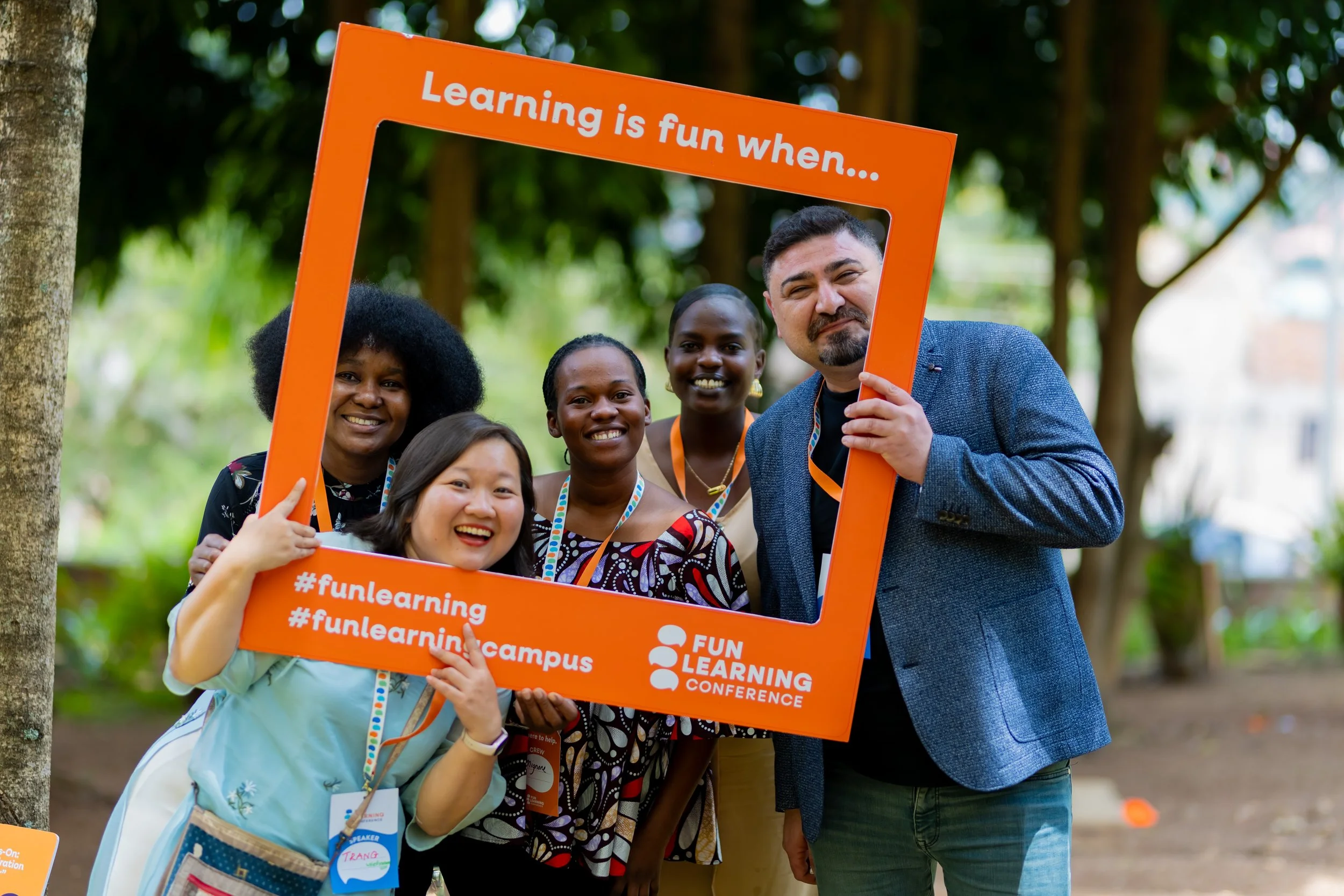
The Fun Learning Approach has been influenced by Finland’s internationally recognized expertise in early childhood education, particularly its emphasis on joy, play, inclusion, and teacher professionalism. Initially supported through The Finnish Foreign Ministry’s Finnpartnership progran, the activities run from the Kigali Campus demonstrate how international cooperation can function as a form of capacity building rather than program delivery. Global expertise is shared through dialogue, adaptation, and mutual learning rather than replication. This approach aligns closely with the intent of SDG Target 17.9, which emphasizes strengthening local capacities through international cooperation.Importantly, international partners do not replace local leadership. Instead, they contribute knowledge, experience, and technical support that help strengthen locally owned educational systems. This creates a foundation for sustainability and ensures that innovation remains responsive to local contexts.
Emerging Evidence and Learning
The Fun Learning Campus was designed as an evidence-informed initiative grounded in research on teacher development, play-based learning, family engagement, and quality early childhood education. While the program continues to evolve, early implementation indicators are encouraging.Strong participation from government agencies, universities, schools, and educators has supported the development of a professional learning ecosystem that extends beyond individual training sessions. Institutional accreditation, university engagement, school-based learning environments, and sustained collaboration among stakeholders provide evidence of adoption, ownership, and capacity development. Future monitoring and evaluation efforts will continue to examine the initiative’s contribution to educator practice, professional confidence, classroom quality, and child outcomes. Building this evidence base will be important for understanding how partnership ecosystems contribute to educational improvement and for informing future efforts in Rwanda, and other regions.
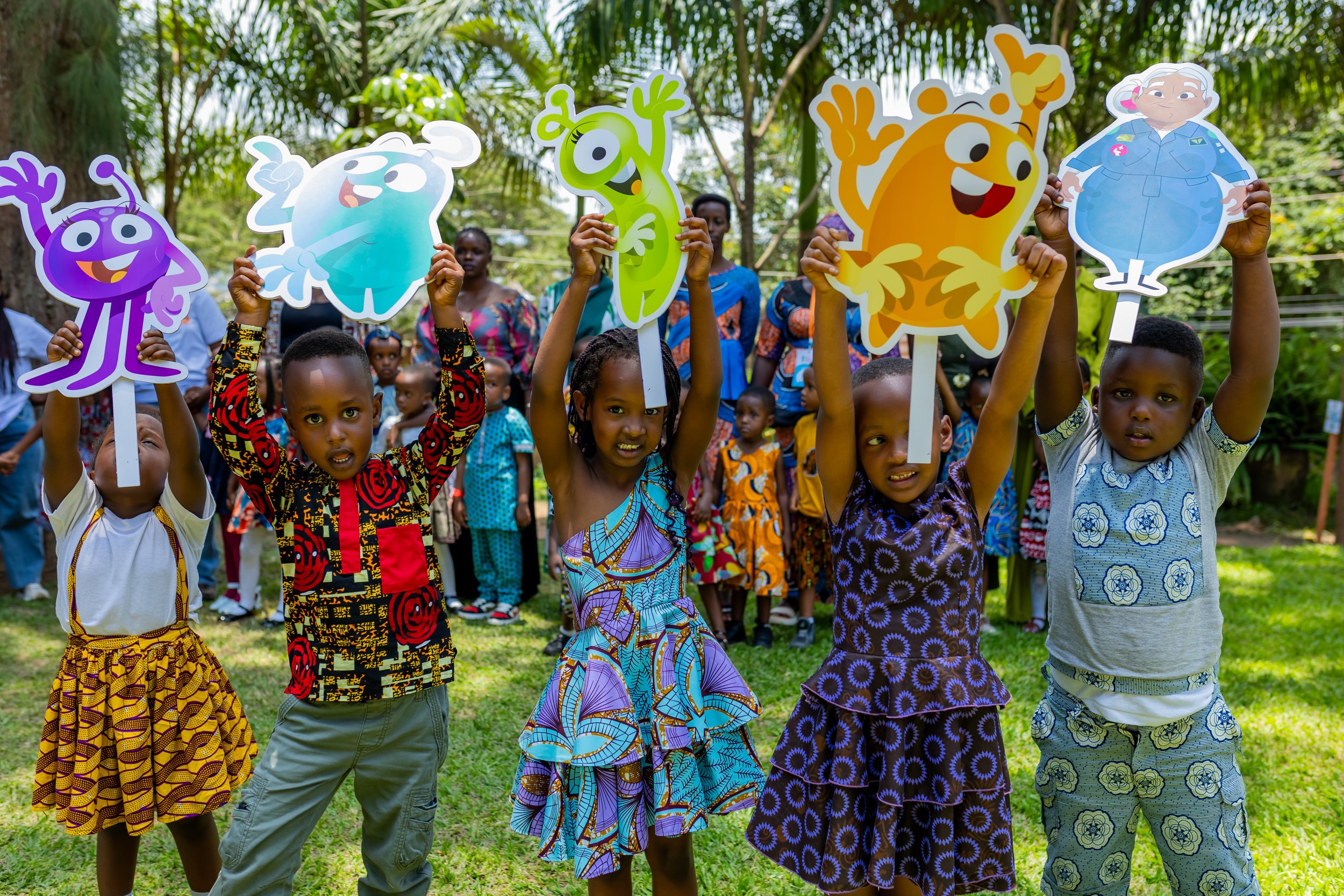
Kids joining the Fun Learning Training at Fun Learning Conference organised by The Campus Company in collaboration with Mineduc, REB, and NCDA. Kigali 2026.
What This Means
The most significant contribution of the Fun Learning Campus may not be the number of educators trained. Rather, it is the creation of a locally owned partnership ecosystem capable of supporting continuous professional learning and strengthening educational quality over time. Scaling happens with time, understanding the pace of partnership building, so essential to the universal approach that builds upon co-creation, contextuality and adaptability. Viewed through the lens of the Sustainable Development Goals, the initiative demonstrates how SDG 17 can function as an enabling mechanism for advancing both SDG Target 4.2 and SDG Target 4.c. Partnerships provide the structures through which knowledge, resources, expertise, and capacity-building efforts are coordinated to support children’s learning while simultaneously strengthening the educators and institutions responsible for delivering quality education.The Kigali Campus also illustrates the practical application of SDG Target 17.9. Through collaboration among government agencies, universities, schools, communities, and international partners, the initiative demonstrates how targeted capacity-building efforts can strengthen national educational systems while maintaining local ownership and leadership.The implications naturally extend beyond Rwanda. Many countries continue to face challenges associated with teacher shortages, educational inequality, limited professional development opportunities, displacement, and institutional fragility. Understanding how partnership ecosystems emerge, adapt, and sustain educational quality across diverse contexts represents an important area for future learning and research.As UNESCO’s Global Partnership Strategy reminds us, every child deserves access to quality early childhood care and education. Achieving that vision requires more than effective educational practices. It requires partnership ecosystems capable of building educator capacity, strengthening institutions, and translating educational knowledge into sustainable action.In that sense, the Fun Learning Campus is more than a training program. It’s a learning ecosystem, an emerging example of how partnership ecosystems can operationalize SDG 17 to advance SDG 4 through capacity building, international cooperation, and locally led implementation. By connecting global expertise with local leadership, the Campus demonstrates how communities can bridge knowledge and action in pursuit of quality education for all.
Read more about the Fun Learning Campus journey in Rwanda: A Joyful Learning Journey Begins — Rwanda Leads the Way
Learn more about UNESCO's Global Partnership Strategy for Early Childhood: https://www.unesco.org/en/early-childhood-education/partnership-strategy
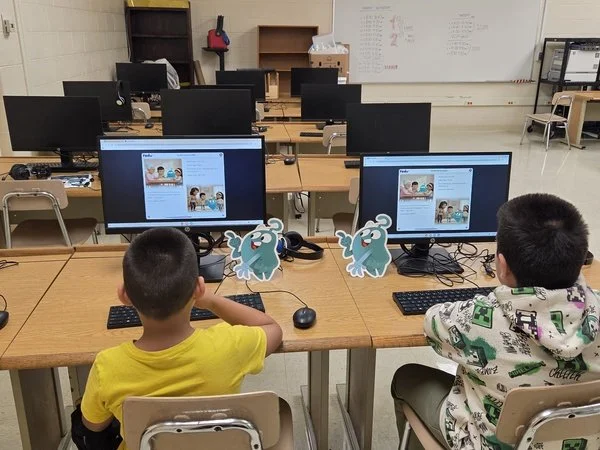
Kids using the Open Bookshelf in Texas, 2026.